
"ethiopian yirgacheffe"
600 article(s) found

Fragrant Ethiopian Coffee Manor Fine Coffee Bean cultivation Geographic location Climatic Sea
The coffee producing areas of Ethiopia are Sidamo, Harald and Sidamo, Harrar and Yirgacheffe. Sidamo and Harrar are provinces and divisions. Sidamo is located in the south of Ethiopia bordering Kenya, and Harrar borders Somalia in the east of Ethiopia. Although Yirgacheffe is a community in the Sidamo region, due to soil composition and water content and other reasons.

An introduction to the origin of coffee-- characteristics of Ethiopian coffee taste
Ethiopia is the hometown of Arabica coffee, and it is in the forests of Kaffa that you can see wild Arabica coffee. In Ethiopian, coffee is called Bun or Buna, and coffee beans (coffeebean) may be translated from Kaffa Bun. Arabica coffee was discovered early in the Harald area, probably from Kafa.
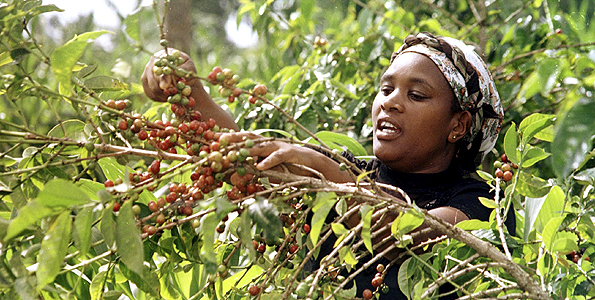
Yega Xuefei Sun treatment Banki Magi Ethiopia primeval Forest China Coffee net Fine Coffee
There are eight main producing areas of Ethiopian coffee: Ekempti, Limu, Illubabor, Djimma, Harrar, Teppi/Bebeka, Sidamo, Yirgacheffe. Ethiopian coffee is highly rated in Taiwan, especially Chinese people are particularly interested in the three famous producing areas of Ethiopia, namely Harrar, Sidamo and Yirgacheffe.

Boutique Coffee introduces Ethiopian Coffee Yega Sheffield Coffee Sidamo Coffee Harald Coffee
Ethiopia is the hometown of Arabica coffee, and it is in the forests of Kaffa that you can see wild Arabica coffee. In Ethiopian, coffee is called Bun or Buna, and coffee beans (coffeebean) may be translated from Kaffa Bun. Arabica coffee was discovered early in the Harald area, probably from Kafa.

Fresh Ethiopian coffee variety-producing flavor boutique coffee beans Description
Washed coffee accounts for 35 per cent of exports. Good quality washed coffee is processed from freshly picked fully ripe fruit, carefully picked and closely monitored by professionals. After picking clean coffee beans on the day of picking to pulp, then fermentation, washing, drying, peeling. The humidity of the processed coffee beans is kept at about 12%. Sun-cured coffee accounts for 65 per cent of exports. mainly of

Ethiopian coffee raw beans introduce cup size in coffee shop
The highest grades of Ethiopian washed coffee Yega Chuefei G1 G2 Sidamo (Yirgacheffe, Sidamo) are Grade 2 and Grade 3 (G2, G3), while most of the sun-processed coffee in eastern Ethiopia are Grade 4 or Grade 5 (G4, G5). In many cases, level 4 coffee is marked as level 5 in order to reduce taxes. At present, the grading is not uniform and messy, because there is also sun processing.

Description of the Flavor characteristics of Erica Coffee in the Sun
Yega Chefe Erica G1 Ethiopia Yirgacheffe Aricha G1 has strong floral and citrus acidity, soft and smooth chocolate flavor, bringing you a sweet finish. Yirga cheffe is a small town in Ethiopia, 1700-2100 meters above sea level. It is one of the highest coffee producing areas in the world. It is also an Ethiopian boutique coffee.
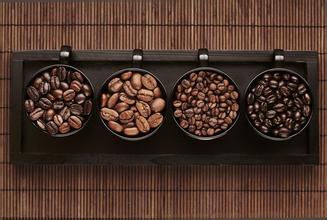
Sidamo coffee beans wash Sidamo boutique coffee beans Ethiopian plateau and other places
Ethiopia is the hometown of Arabica coffee, and it is in the forests of Kaffa that you can see wild Arabica coffee. In Ethiopian, coffee is called Bun or Buna, and coffee beans (coffeebean) may be translated from Kaffa Bun. Arabica coffee was discovered early in the Harar area and is likely to come.
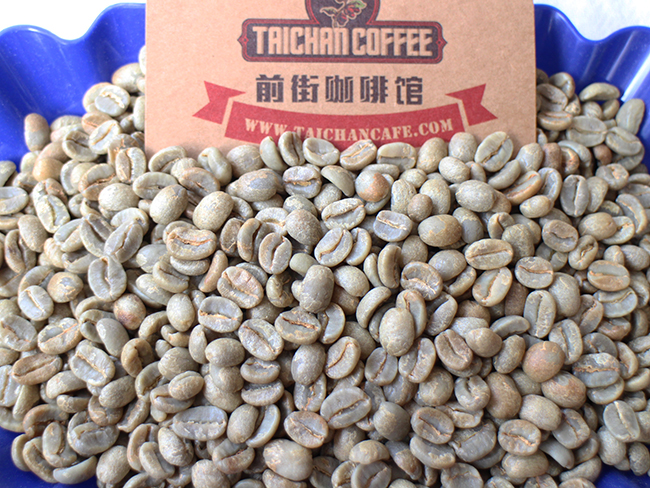
Wholesale price of imported boutique coffee and raw beans in Ethiopia Yega Xuefei Sun Banki
There are eight main producing areas of Ethiopian coffee: Ekempti, Limu, Illubabor, Djimma, Harrar, Teppi/Bebeka, Sidamo, Yirgacheffe. Ethiopian coffee is highly rated in Taiwan, especially Chinese people are particularly interested in the three famous producing areas of Ethiopia, namely Harrar, Sidamo and Yirgacheffe.

What are the functions of Arabica coffee
Following caf é (Wechat official account vdailycom) found that Beautiful Caf é opened a small shop of its own Ethiopia is the hometown of Arabica coffee, it is in the forests of the Kaffa region that you can see wild Arabica coffee. In Ethiopian, coffee is called Bun or Buna, and coffee beans (coffeebean) may be turned from Kaffa Bun

Introduction to the flavor description characteristics of Ethiopian coffee varieties with balanced flavor
Ethiopia is the hometown of Arabica coffee, and it is in the forests of Kaffa that you can see wild Arabica coffee. In Ethiopian, coffee is called Bun or Buna, and coffee beans (coffeebean) may be translated from Kaffa Bun. Arabica coffee was discovered early in the Harar area and is likely to come.

Introduction to the story characteristics of Ethiopian boutique coffee beans
The highest grades of Ethiopian coffee are grade 2 and 3 (Yirgacheffe, Sidamo), while sun-processed coffee in eastern Ethiopia is mostly grade 4 or grade 5 (G4, G5). In many cases, the coffee label of level 4

Sweet aroma of Ethiopian Yeshifi Woka Coffee Flavor Taste Manor Features Fine coffee
Ethiopia is the oldest coffee producing country, Ethiopian beans You can measure the flavor profile of all modern coffee beans, so to speak, Ethiopia is the gene pool of coffee, the source of all tastes. Ethiopia has the most coffee beans treated by ancient solarization, which is caused by the geographical factors of water shortage in Ethiopia. However, the ancient solarization is difficult to control, and the farmers 'operation quality is poor.

Ethiopia Gemma jimma (djimmah Gima)
Ethiopia (Ethiopia) famous coffee:: Yirgacheffe (Yirgacheffe), Harald (Harrar), Sidamo sidamo; and Djimmah (Djimmah) are also good, taste balanced, is an affordable African mocha beans. Forest coffee, which grows in the natural environment and shaded by natural forest trees, has sufficient plant change mechanism to resist diseases and insect pests.
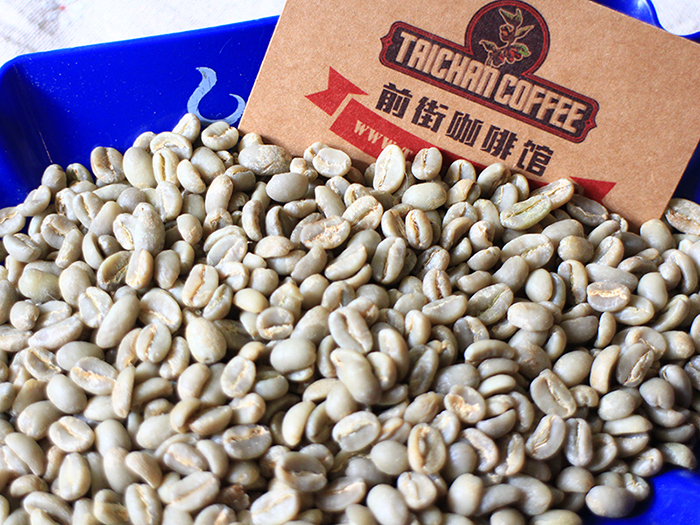
Sunburn Banqi Maji imported fine coffee raw beans Ethiopia Ye Jia Xue Fei BenchMaji original beans
There are eight major coffee producing areas in Ethiopia: Ekempti, Limu, Illubabor, Djimma, Harrar, Teppi/Bebeka, Sidamo and Yirgacheffe. Ethiopian coffee is highly rated in Taiwan, especially the Chinese are particularly interested in three famous Ethiopian producing areas: Harrar, Sidamo and Yirgacheffe.

Introduction to the variety of taste treatment method for flavor description of Yega snow coffee manor in Ethiopia
The main producing areas of Ethiopian coffee are Harald in the east, Djimmah in the southwest and Sidamo in the south. The unique fragrance of Yirgacheffe comes from a city called Y in the northwest of Sidamo province.

Ethiopian coffee flavor description processing characteristics of varieties of production area taste processing introduction
In the southwestern highlands of Ethiopia, the Kaffa, Sheka, Gera, Limu and Yayu Senli coffee ecosystems are considered home to Arabica coffee. These forest ecosystems are also home to a variety of medicinal plants, wildlife, and endangered species, large coffee farming villages.

Ethiopian water washed Sidamo G2 coffee Sidamo washed coffee beans taste
For more information on coffee beans, please follow the coffee workshop (Wechat official account cafe_style) Ethiopian coffee is highly rated in the world, especially the Chinese people are particularly interested in and love the three more famous producing areas of Ethiopia, namely Harrar, Sidamo and Yirgacheffe. Sidama provincial position

Ethiopian Coffee beans | Ethiopian Coffee producing areas | Yega Xuefei ECX selected Water to wash G1
Professional coffee knowledge exchange for more information about coffee beans, please follow the coffee workshop (Wechat official account cafe_style) ECX selected washing G1 Ethiopia washed Yirgacheffe ECX Specialty G1 2017 Dec in Yega Sheffield Town, Ethiopia. New seasonal bean varieties: Heirloom native species producing area: Ethiopia Yirgacheffe A

What do you recommend for Ethiopian coffee? Characteristics of coffee beans in Ethiopia
Professional coffee knowledge exchange more coffee bean information please follow the coffee workshop (Wechat official account cafe_style) ● descendants of King Solomon and Queen Sheba Ethiopians regard themselves as descendants of King Solomon and Queen Sheba, the lion is the symbol of power of their country, the country's population reached 102403196 in 2016, (12th in the world), is the world's most populous landlocked country